
Acting soon on tax matters saves both time and money. Filing well before mid-April cuts interest, lowers chances of mistakes, and speeds refunds when you e-file with direct deposit.
For 2025 returns filed in 2026, the IRS began accepting returns on January 26, 2026, showing how early filing can unlock faster refunds and give you more room to plan if you owe.
In Malaysia, local rules differ, but the core idea holds: problems grow costlier the longer they sit. Missed documents, rushed choices, and late corrections add up.
This article uses U.S. examples like W‑2s and 1099s to show practical steps that work anywhere. Expect clear checklists, timelines, and simple actions you can take now.
Outcome: less stress, fewer surprises, and a smoother filing season each year.
Key Takeaways
- File sooner to speed refunds and reduce identity-theft risk.
- Early action gives more time to plan payments and save money.
- Prompt filing cuts errors and lowers the chance of costly corrections.
- Good documentation up front protects deductions and cash flow.
- Practical checklists and timelines make the process manageable.
What “early” really means for your tax return
Think of filing early as completing your return comfortably before the last-minute rush, not necessarily on the first day e‑filing opens. Early filing usually covers any time from early January through late March.
Filing early vs. waiting until the filing deadline
Filing well ahead of the deadline gives you time to find missing forms, ask questions, and fix errors without pressure. Waiting until deadline week compresses verification, increases stress, and raises the chance of mistakes.
Why you may not be able to file on day one
Many employers and payers send W‑2s and 1099s by January 31, so you often can’t file immediately. Simple salary returns may be ready sooner, while business or investment returns need more time to gather records.
“Start preparing early: organise documents, estimate your numbers, then submit when everything is complete.”
- Split approach: prepare ahead, then file once forms arrive.
- Warning: filing before key documents can lead to later corrections.
Practical takeaway: treat early as a planning mindset—gather, verify, and file as soon as you can file accurately.
Getting your tax refund sooner puts money back in your account
A faster refund can make a real difference to monthly planning. A prompt tax refund gives you cash to pay bills, build an emergency buffer, or fund a planned purchase without taking on short-term debt.
Why e-filing and direct deposit are the fastest path to refunds
E-filing with direct deposit is the quickest route to get a tax refund. Electronic returns move through processing faster than paper returns, and direct deposit sends money straight into your bank account.
Think of an over-withheld refund as your own money held by the government. The sooner you reclaim it, the sooner you can use it for your priorities.
“File electronically and choose direct deposit to speed up refunds and reduce the window for fraud.”
- Early refund improves cash flow and avoids dipping into savings.
- Use a faster refund to pay down debt, save, or cover a one-time expense.
- Double-check account numbers to prevent misdirected deposits and delays.
- Quicker processing reduces the chance of follow-up paperwork that costs time and effort.
| Method | Typical wait | Main risk |
|---|---|---|
| E-filing + direct deposit | 1–3 weeks | Incorrect account details |
| E-filing + paper check | 3–6 weeks | Mail delays |
| Paper return + check | 6–12+ weeks | Processing backlog, fraud window |
Actionable tip: if you expect a refund, submit your return electronically once all forms are ready and confirm your account details. That helps you get a tax refund into your account faster and keeps money back in your control.
Filing early gives you time to plan for a tax bill and payments
Completing your return early reveals the amount due and gives you breathing room to arrange payment options. This avoids the last-minute scramble that can force costly choices.
Owing money doesn’t mean failure. Some people owe taxes after credits and withholding. The key is preparing for that bill, not pretending it won’t happen.
In many systems you can file now and pay by the filing deadline. That buys valuable time to move funds, sell investments, or set aside cash without penalties.
Practical steps to avoid surprise costs
- Estimate the amount due conservatively and set an automatic transfer to a holding account.
- Consider an instalment option or formal payment plan if payments are difficult.
- Move money between accounts or trim monthly expenses to cover the bill.
“Plan early so you can pay on time and keep interest and penalties down.”
| Option | Typical time to arrange | Cost/notes |
|---|---|---|
| Pay by deadline | Weeks to months | No extra fee if paid on time |
| Official payment plan | 1–3 weeks to set up | Possible setup fee and interest applies |
| Short-term loan or sell assets | Days to weeks | May incur interest or market loss |
Next-year fix: file now to see if your withholding or estimated payments were off. Adjusting those reduces the chance of a repeat bill.
More time reduces mistakes that can delay returns and refunds
When you cram preparation into a single session, small mistakes slip through and slow down your return. Little errors—wrong ID digits, mismatched income totals, or a missing schedule—often happen under time pressure.

Why last-minute preparation increases error risk
Rushing raises the chance of typos and forgotten forms that trigger manual review. Manual reviews mean longer processing and delayed refund payments.
How slower, earlier prep helps your return go through cleanly
Clean processing starts with accurate entries and complete documentation. Spread preparation into short sessions to reduce fatigue and spot mismatches sooner.
- Reconcile income totals to W‑2s or 1099s before you file.
- Verify names and ID numbers match official records.
- Confirm banking details to avoid misdirected refunds.
- Keep receipts and deduction evidence ready for quick checks.
“If a refund looks unusually big or small, pause and re‑check rather than forcing submission.”
Take the time now and you cut the odds of notices, rework, and waiting for your refund. The payoff is simple: fewer delays and a smoother filing experience.
Starting early helps you capture deductions with better documentation
Gathering proof for deductions during the year keeps small savings from slipping away. Good records turn potential deductions into real savings you can defend if questioned.
Tracking deductible expenses before receipts vanish
Collect receipts, note amounts and record the purpose soon after a purchase. Small outlays, such as classroom supplies paid by educators, add up and become meaningful when supported by documents.
Itemizing takes more information and time
Itemizing can beat the standard approach, but it demands more documents, cross-checks, and careful entry on tax forms. Missing proof often means leaving money on the table.
- Use a dedicated folder (digital and paper) for expense records.
- Keep a monthly spreadsheet and tag bank transactions.
- Snap photos of receipts and save related emails promptly.
“Better records reduce disputes, speed processing, and stop costly rework.”
Less stress now, fewer costly decisions later
Small, steady steps through the year cut the pressure that turns simple forms into costly corrections.
Start small. Break work into short sessions so you avoid a single marathon day when life gets busy. This reduces stress and gives you useful time to catch missing items.
Breaking prep into smaller tasks across the year
Try a routine: capture documents monthly, do a quick quarterly check, and keep a dedicated folder for receipts and statements. These tiny habits save hours later.
- Frame stress as a cost: rushed choices lead to overlooked forms and paid fixes.
- Task list: confirm income sources, reconcile accounts, list deductions, and verify personal details in separate 20–30 minute sessions.
- Busy schedule tip: pick one weekly slot you can keep, even if it’s just twenty minutes.
- Plan for curveballs: steady progress gives a buffer when work or family needs change.
“Finishing early lifts the tax cloud off your shoulders and makes good decisions easier.”
Net benefit: calm preparation means you check numbers, keep better records, and file with confidence—fewer surprises, less wasted time, and clearer next steps for your situation.
Why Fixing Tax Issues Early Is Always Cheaper for professional help and services
Accountants and preparers fill their schedules quickly, so booking sooner avoids last-minute scramble.
Near the deadline, services become scarce because many people seek help at once. That shortage raises fees and shrinks appointment choices.
Cost matters: urgent work often carries premium pricing and less time for careful review. Paying for hurried fixes can outstrip the fee of planned preparation.
How early prep cuts professional dependence
When you organise documents, a pro may only need to offer short advice rather than full cleanup. That lowers the bill and speeds turnaround.
- Business owners and side-income earners should start earlier; their situation often needs more reconciliation.
- Book services early, submit documents in batches, and use a checklist so your preparer can optimise your return.
- Pros are calmer earlier in the season, which improves review quality and reduces oversights.
“Buy expertise on your schedule, not at panic prices.”
Bottom line: planned action helps you access better service, better advice, and a smaller overall cost than last minute solutions.
Early filing lowers the risk of tax return identity theft
Criminals sometimes race to submit bogus returns before the real filer has a chance to file. With a stolen Social Security number and basic personal information, a scammer can claim a refund and direct it to their account.
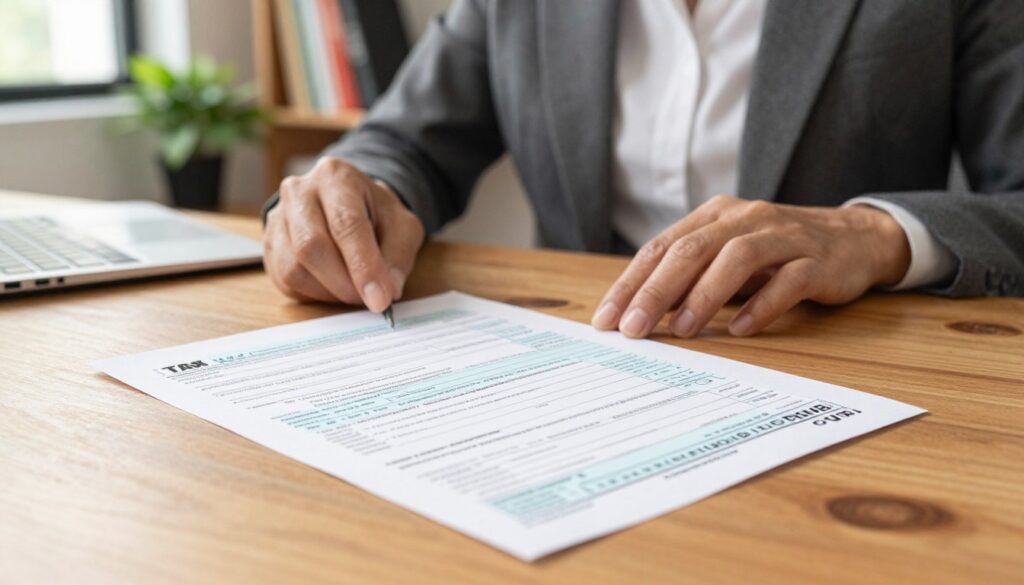
How refund fraud happens early in season
Fraudsters use stolen data to file a fake tax return and request a direct deposit. When you later e-file your legitimate tax return, it may be rejected because one return already exists under your ID.
“A rejected filing can be the first sign someone else already claimed your refund.”
Practical steps to protect sensitive personal information
Protect devices and accounts: use strong, unique passwords and enable two-factor authentication on online tax portals and bank accounts.
- Never share SSNs or bank details by text or email.
- Lock personal papers in a safe place and shred old statements.
- Be cautious with unknown callers asking for personal information.
If fraud happens: contact your revenue agency and bank right away. Resolution is possible, but it takes time. Filing early not only helps you get refund sooner, it also shrinks the window for fraud and guards your finances.
Finishing returns early helps with major financial moves
A completed return can unlock key approvals when big financial decisions hinge on verified income. Your filed return often serves as core documentation for loans, applications, and planning across the year.
Using your filed tax return as proof of income for a home purchase or refinance
Lenders commonly request a filed tax return or IRS transcript as proof of income. Transcripts may take 6–8 weeks to appear after filing, so delaying a return can push closing dates and cost you better rates or offers. Fast action on your return saves time and helps protect your money goals.
Students and return information for education planning
Students and families use tax return information for financial aid forms and planning. Having completed returns makes applications smoother and reduces the chance of rush fees or missed deadlines.
“If a major move is coming, prioritise finishing your return so paperwork won’t hold you back.”
- Prepare records ahead, then file once final forms arrive.
- Confirm income information and account details early to avoid last-minute fixes.
- Finishing sooner often delivers benefits that extend beyond a single filing season.
Document checklist to fix tax issues early and avoid rework
A short, focused checklist makes filing smoother and avoids needless rework.
Income documents and year-end forms you’ll need
Collect employer statements and contractor paperwork first. Common items arrive by January 31 in many systems.
- W-2 or local salary statements (employer)
- 1099, contractor forms, and investment notices — include any K-1 or partnership forms
- Bank interest slips and dividend statements for income verification
Expense records, receipts, and proof for deductions
Save receipts, invoices, donation acknowledgments, and mileage logs. Good documentation turns potential deductions into reliable claims.
Tip: scan or photograph receipts as they arrive and tag them by category.
Account details for direct deposit and payments
Confirm your bank routing and account numbers before e-filing. E-filing with direct deposit speeds refunds and cuts risk of lost cheques.
For payments, verify the correct account or payment portal to avoid delays or returned transfers.
What to do if information is missing or arrives late
If a form is late, request a duplicate from the issuer or check their online portal. Keep a short “waiting on” list so nothing is forgotten.
Do not file with placeholders — submitting before final numbers can force an amended return later.
| Need | Where to get it | Action to take |
|---|---|---|
| W-2 / salary statement | Employer | Request duplicate; verify totals |
| 1099 / investment forms | Payer or broker | Download from portal; wait if expected by Jan 31 |
| Receipts & expense records | You / vendors | Scan, tag, and store in deduction folder |
| Bank account details | Your bank | Confirm numbers before submitting direct deposit |
System tip: keep one folder for documents, one for deductions, and one for confirmations. That small habit makes next year easier and reduces rework.
When it makes sense to wait, and how to avoid last-minute filing
Holding off for a late K‑1 or corrected 1099 can prevent the hassle of reworking a submitted return. Accuracy matters more than speed when major numbers are missing.
Why filing before key forms arrive can lead to amended returns
Filing too soon may force you to submit an amended return later if a late form changes income or deductions.
An amended return means extra paperwork, possible interest or penalties, and more time spent with your preparer or the revenue office.
“File when you can report complete numbers — that saves time and reduces follow-up work.”
A simple timeline for preparation without rushing
Simple plan:
- January — organise documents and make conservative estimates.
- February — enter most forms and resolve obvious gaps.
- March — finalise, review, and file well before the filing deadline.
Forms that often make waiting reasonable include investment statements, partnership K‑1s, contractor summaries, and corrected employer slips.
If a federally declared disaster affects you, check the IRS Disaster Relief page for automatic extensions. Use any extra time to get numbers right, not to delay work.
| Situation | When to wait | Action |
|---|---|---|
| Late K‑1 or partnership info | Yes — wait | Request final copy; delay filing until received |
| Corrected 1099 or W‑2 | Yes — wait | Confirm corrected totals before filing |
| Minor missing receipt | No — estimate, note, then review | File on time; keep record to adjust if needed |
Anti-procrastination tactic: set internal deadlines (documents by Feb 15, review by Mar 15) so you avoid last-minute racing to the filing deadline.
Main message: waiting can be smart when it prevents amended returns, but preparation should start early so filing happens with confidence and minimal hassle.
Conclusion
, Finish with a clear plan so you avoid avoidable interest and last-minute costs. A calm close to the season helps you get refunds sooner, or gives time to arrange payment if you owe.
Accuracy and timing matter: careful preparation reduces mistakes that delay returns, shortens the window for refund fraud, and makes major moves—like loans or aid applications—simpler in Malaysia.
Final action: gather documents, reconcile income, track deductions, confirm bank account details, and set a review date—then file once numbers are complete.
If your situation involves business income or complexity, book professional services early so you’re not forced into costly last-minute decisions.